Menu
Call this Wednesday to Get 10% OFF

Call this Wednesday to Get 10% OFF
24-Hour Emergency Electricians in DallasCall this Wednesday to Get 10% OFF
Call this Wednesday to Get 10% OFF
24-Hour Emergency Electricians in Dallas
Heat pumps and electric resistance pool heaters work differently, so the better fit depends on how you use your pool, your desired heating speed, and your priorities for ongoing energy use. A heat pump transfers heat from outdoor air into the pool, while an electric resistance heater creates heat using electrical resistance. For many DFW homeowners, the choice comes down to operating efficiency versus faster direct heating. When you need help with making an informed choice, consult with a reliable electrical service in Coppell, TX.
A heat pump pool heater pulls heat from the surrounding air and transfers it into the pool water. Because it moves existing heat rather than creating all of the heat from electricity, it can use less electricity to produce the same amount of pool heat under suitable outdoor conditions.
This makes heat pumps appealing for homeowners who want to maintain a comfortable pool temperature over longer periods. However, their performance depends on outdoor air temperature, so heating output can decrease as the air gets colder.
An electric resistance pool heater uses electricity to heat an element, which then transfers that heat to the pool water. Unlike a heat pump, it does not depend on extracting available heat from the outdoor air.

This direct heating method can provide consistent heating performance regardless of moderate changes in outdoor temperature. The tradeoff is that generating heat through electrical resistance requires more electricity than transferring existing heat with a heat pump.
Electric resistance heaters can provide direct heating without relying on heat being available in the outdoor air, while a heat pump may take longer to raise the pool temperature. The actual heating time depends on factors such as pool size, heater capacity, starting water temperature, weather conditions, and desired temperature.
No matter the size or complexity of your residential or commercial project, you can count on us to provide professional, high-quality results.

For professional and cost-effective smoke detector replacement in Dallas, TX, rely on the qualified and experienced electricians in Dallas, TX.…


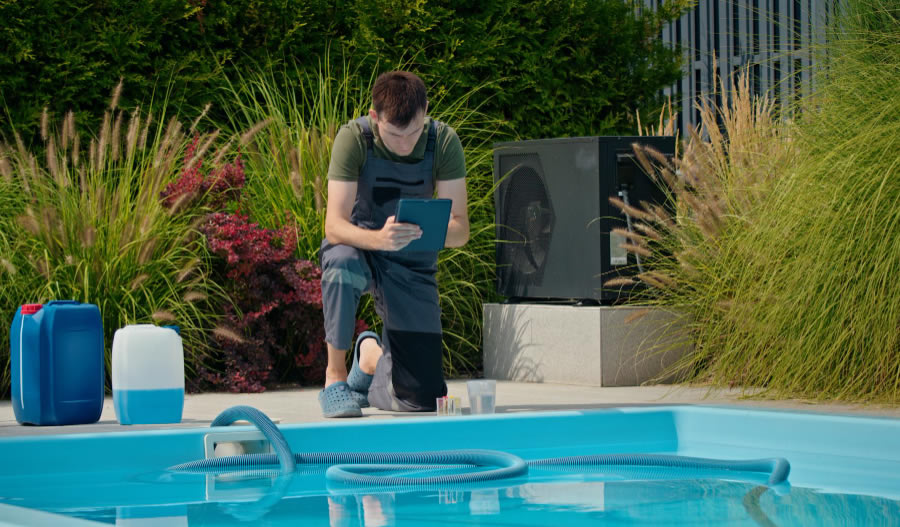
Are you tired of waiting until June or July to enjoy your swimming pool? If you want to get the most…

Dealing with electrical problems can be frustrating and challenging for busy families and businesses. At Mr. Electric of Dallas, we are…

Has it been too long since your last appointment with a qualified electrician? Sometimes, damaged circuits, outdated wiring, and other…

Are you looking for creative ways to decrease your monthly energy usage while improving the convenience and comfort of your living…
.webp)
If you want to make occasional temperature adjustments quickly, heating capacity may be an important factor when comparing systems. A properly sized heater is essential regardless of the technology selected.
Heat pumps use less electricity for ongoing pool heating because they transfer heat instead of generating it entirely through electrical resistance. Their efficiency can make them attractive for homeowners who operate their pool heater regularly.
However, lower electricity consumption does not necessarily mean a heat pump is the right choice for every pool. Initial equipment costs, outdoor temperatures, pool usage, and how frequently the heater runs should all be considered.
DFW's climate provides a useful environment for heat pump pool heaters because outdoor temperatures are frequently suitable for extracting heat from the air. However, temperatures can still drop substantially during winter cold fronts.
A heat pump's heating performance decreases as outdoor temperatures fall, so homeowners who want dependable pool heating during colder weather should consider the system's operating range and capacity. Pool covers can also reduce heat loss and help either type of heater maintain the desired water temperature.
For occasional use, the choice depends on how quickly you want the pool heated and how much ongoing heating you expect to do. Electric resistance heating may appeal to homeowners who prioritize direct heating, while a heat pump can be useful when maintaining pool temperature over longer periods is more important.
Your pool's size and insulation characteristics also matter. A professional electrician can calculate the heating requirements rather than selecting a heater based solely on the equipment's advertised capacity.
Whether you choose a heat pump or an electric resistance pool heater, it’s best to work with a licensed electrical service. Electrical work should be left to licensed and insured electricians to avoid issues like electrocution and fire hazards. Mr. Electric is the name you can rely on when you need reliable electrical wiring, repairs, installations, and maintenance. Our team has been in the industry for years and always adheres to the highest standards of safety. Contact us now to request an appointment!

Quick Answer: A pool heater can make a Dallas home more appealing to some buyers by extending the swimming season and making the pool more comfortable during cooler months. However, a heater does not automatically increase a home's resale price by its installation cost. Its…
Read More
Heat pumps and electric resistance pool heaters work differently, so the better fit depends on how you use your pool, your desired heating speed, and your priorities for ongoing energy use. A heat pump transfers heat from outdoor air into the pool, while an electric…
Read More
If your home was built between the mid-1960s and the mid-1970s, there’s a chance it may contain aluminum wiring. At the time, aluminum was used as a cost-effective alternative to copper. But this type of wiring presents several risks, including fire hazards. What seemed like…
Read More
Your electrical outlets aren’t something you give much thought to until something goes wrong. If you notice unusual sounds, sparking when you plug in something, burning smells, or discoloration, you need to take action before things get out of hand. Faulty outlets are not just…
Read More