Menu
Call this Thursday to Get 10% OFF

Call this Thursday to Get 10% OFF
24-Hour Emergency Electricians in DallasCall this Thursday to Get 10% OFF
Call this Thursday to Get 10% OFF
24-Hour Emergency Electricians in Dallas
The electrical system in your home is a critical component that ensures your safety and comfort. Like any other aspect of your house, it can become outdated, posing potential risks and inconveniences. If your home was built before 1980, Mr. Electric of Dallas can help you be vigilant in addressing signs your electrical system may need an upgrade. Here are four vital signs to watch out for, helping you determine whether it’s time to call an affordable electrician for an upgrade.
Frequent circuit overloads are among the most common signs of an outdated electrical system. If your circuit breakers trip often, it could show that your electrical system is overwhelmed by modern appliances and technology. Older homes with fewer electrical outlets and lower amperage capacity experience overload when you plug in multiple devices or appliances simultaneously. We recommend consulting an electrical repair service for an electrical panel upgrade or additional circuits to help distribute the load more effectively. We work with you to reduce the risk of overloads, enhancing safety and convenience.
Outdated wiring is a significant concern in older homes. If your house has knob-and-tube or aluminum wiring, it’s a clear sign that your electrical system is obsolete. Knob-and-tube wiring, standard in homes built before the 1950s, lacks the safety features of modern wiring systems and can pose fire hazards. Aluminum wiring, used in the 1960s and 1970s, is prone to oxidation and can lead to electrical fires. To ensure your home’s safety, hire a certified electrician to rewire your house with modern copper wiring, which is more reliable and meets current safety standards.
Another sign of outdated electricity is the need for more electrical outlets and adequate grounding. Older homes have fewer outlets in each room, which can be inconvenient in a world filled with electronic devices that require charging. In addition, inadequate grounding can increase the risk of electrical shock and appliance damage. Upgrading your electrical system to include more outlets and ensuring proper grounding can improve both safety and convenience in your home. We can dispatch professional electrical repair service technicians to install Ground fault circuit interrupters (GFCIs) in areas like bathrooms, kitchens, and outdoor outlets to prevent electrical accidents.
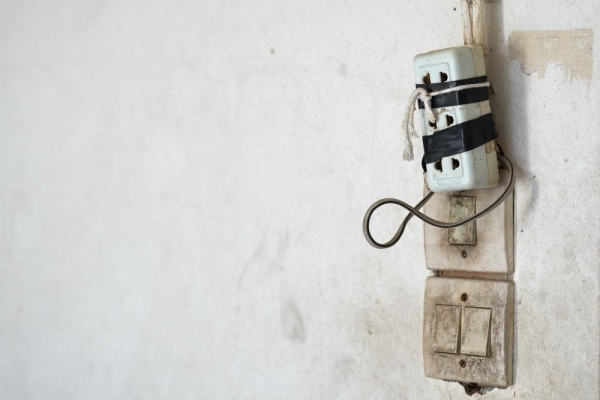
If your home still relies on a fuse box rather than a circuit breaker panel, it may be time for an upgrade. Fuse boxes were prevalent in homes built before the 1960s and were less safe and convenient than modern circuit breaker panels. Fuses can blow and may be replaced with higher-amp fuses, creating a fire hazard. Circuit breakers are more reliable and can be easily reset without needing replacements. Upgrading to a circuit breaker panel is a smart move to improve the safety and efficiency of your electrical system.
An outdated electrical system in your home can pose significant risks and inconveniences. If you live in a house built before 1980, it’s crucial to be vigilant for signs of outdated electricity. Prioritizing electrical upgrades enhances safety and equips your home to meet the electrical demands of the modern age. Please don’t wait until electrical problems become emergencies; contact us at Mr. Electric of Dallas for a consultation with a certified electrician.
No matter the size or complexity of your residential or commercial project, you can count on us to provide professional, high-quality results.

For professional and cost-effective smoke detector replacement in Dallas, TX, rely on the qualified and experienced electricians in Dallas, TX.…

Are you tired of waiting until June or July to enjoy your swimming pool? If you want to get the most…

Dealing with electrical problems can be frustrating and challenging for busy families and businesses. At Mr. Electric of Dallas, we are…


Has it been too long since your last appointment with a qualified electrician? Sometimes, damaged circuits, outdated wiring, and other…


Are you looking for creative ways to decrease your monthly energy usage while improving the convenience and comfort of your living…
.webp)
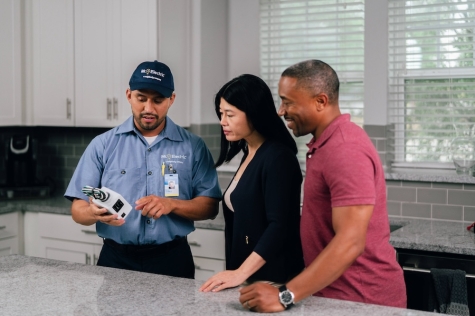
A power surge, as the name implies, is a sudden increase in voltage that goes well above the normal level flowing through a circuit. This spike in voltage can damage appliances, electronics, and your home’s electrical system. When most people think about power…
Read More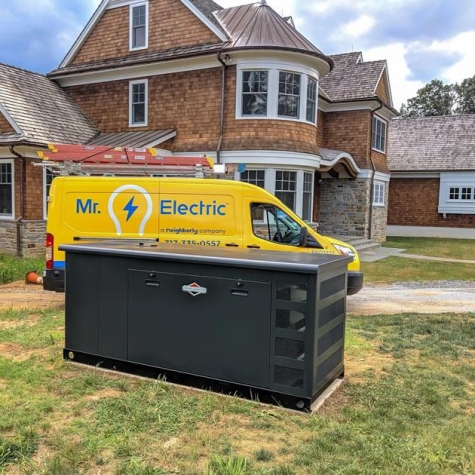
There seems to be an unending list of decisions to make when it comes to generator installation. One of those options is which fuel source works best for whole-house generators. Two of the most popular fuel choices are natural gas and liquid…
Read More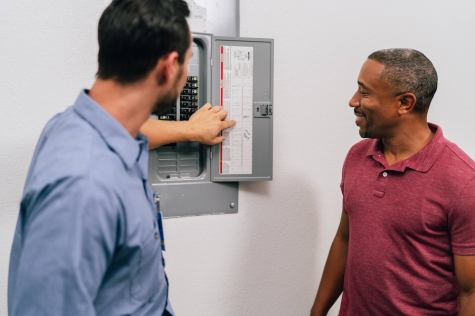
If your circuit keeps tripping, it is your home’s way of telling you something is wrong. Maybe it happens every time you run a specific appliance like a dryer, microwave, washing machine, refrigerator, or oven. Faulty appliances are one of the common causes…
Read More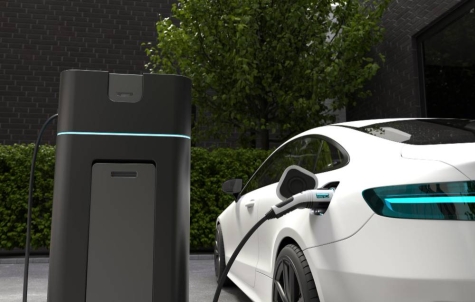
Installing an EV charger at home is a worthwhile investment that will pay off in the long run. It provides unparalleled convenience, long-term savings, and increased property value. But before EV charger installation, many homeowners wonder whether an electrical panel replacement in…
Read More