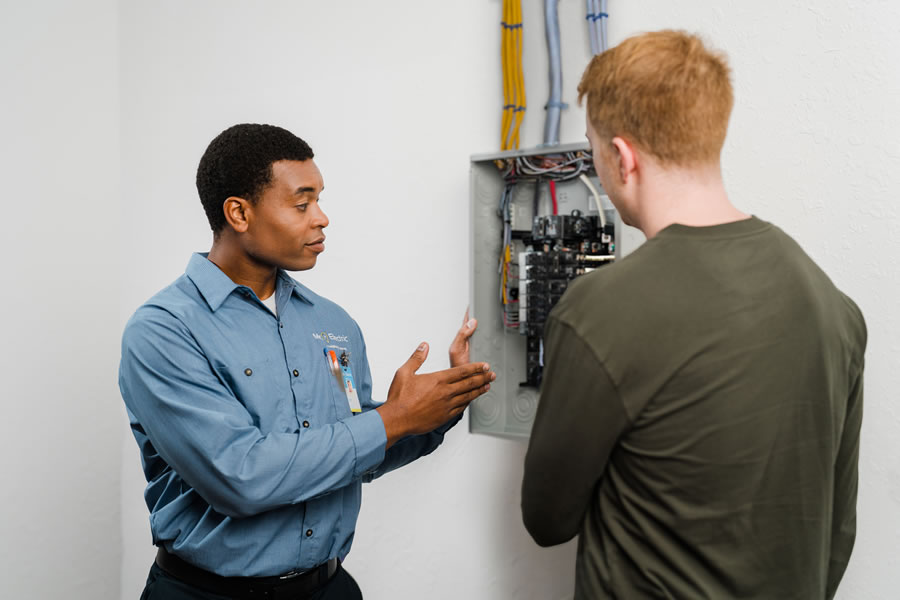
Skipping this assessment creates serious problems. An undersized circuit trips breakers repeatedly, degrades wiring insulation, and creates a fire risk. The panel evaluation is a part of EVSE installation that protects your home, charger warranty, and insurance coverage.
How Permits and Inspections Factor Into a Residential EV Charger Installation
Most municipalities require a permit before any new 240-volt circuit goes in. The permit process exists so a licensed inspector can verify that the work meets local electrical code before the wall closes up and the circuit goes live. Skipping this step can void your homeowner's insurance and complicate a future home sale.
The inspection covers the circuit breaker size, wire gauge, conduit installation, grounding, and the charger's mounting and connections. An inspector checks that the installation matches the permitted scope and that nothing was substituted or undersized during the job. When everything passes, you receive a signed inspection record that documents the installation for your files.
Mr. Electric handles the permit application as part of an electric vehicle charger installation in Arlington. We coordinate directly with the permitting office, schedule the inspection around your availability, and make sure the finished job is fully documented before we close out the project.
What Can Go Wrong With a DIY EVSE installation and Why It Matters
The electrical components involved in an electric vehicle charging station installation aren't the place to cut corners. Running a 240-volt circuit without proper training introduces hazards like overloaded wiring inside walls, loose connections at the breaker, or undersized wire gauge that heats up under load. None of this is visible during normal use, and all of them can cause a fire.
Unpermitted work also creates a paper trail problem. Homeowner's insurance policies exclude damage caused by unpermitted electrical work. If a charging-related electrical fault damages your garage or vehicle, the insurer will pull the permit history before paying out. No permit could mean no coverage. Some EV charger manufacturers also require proof of licensed installation to honor the product warranty, so a DIY job can void that protection on day one.
DIY EV charger replacement in Arlington carries the same risks. Swapping out a unit looks simple on the surface, but if the original installation had wiring errors, replacing the charger without inspecting the full circuit means those errors stay in place. An electrician checks wire gauge, connection integrity, breaker sizing, and grounding, not just the device itself.
How to Get Started With EV Charger Installation in Arlington
Booking starts with a call or an online request. A technician comes out to check your panel capacity, your preferred charger location, and the circuit routing that's required to connect them. You'll receive a detailed estimate before the work begins.
Electric vehicle charger installation in Arlington follows local code requirements at every stage, so the completed job is documented, inspected, and ready for insurance and resale records. We also carry the licensing and insurance required to perform this work legally.
Do You Need an Electric Vehicle Charger Installation in Arlington, Texas?
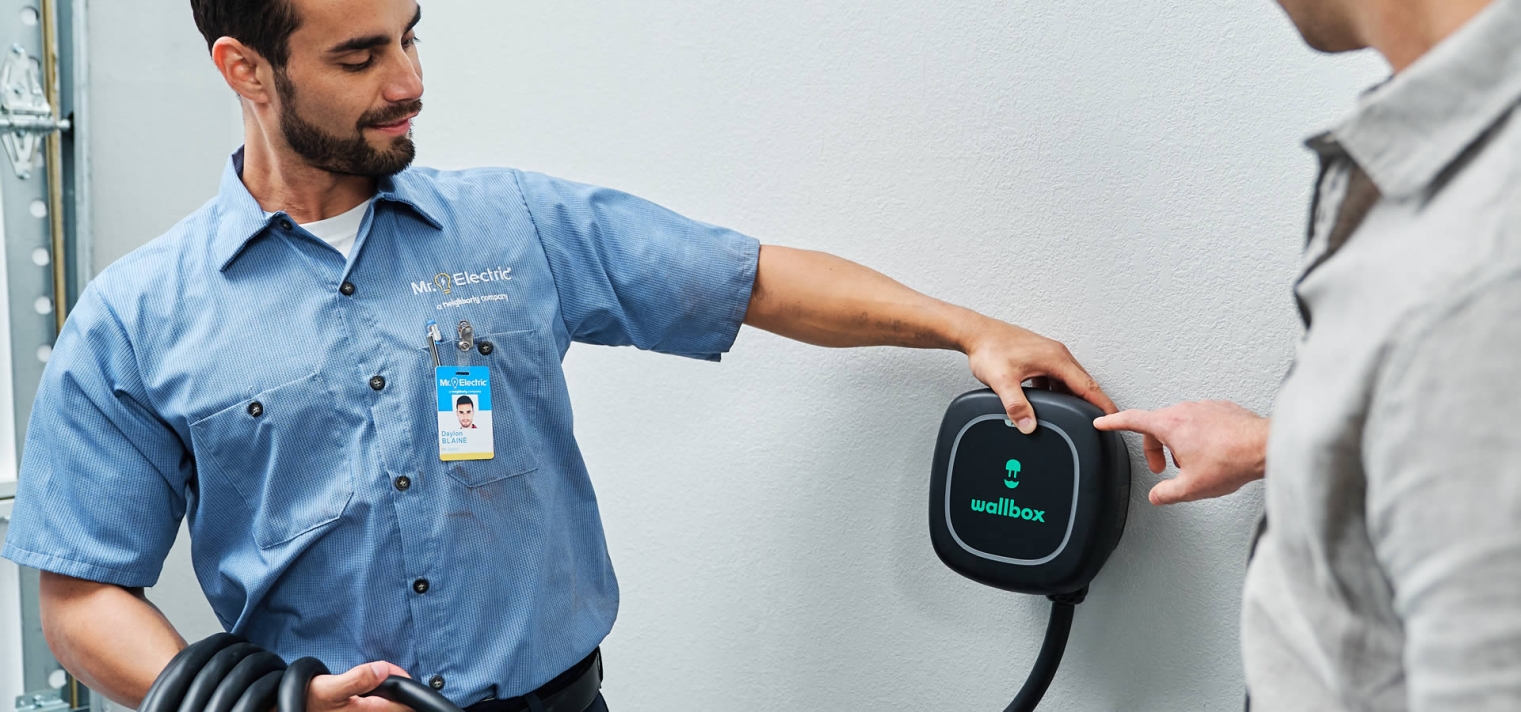
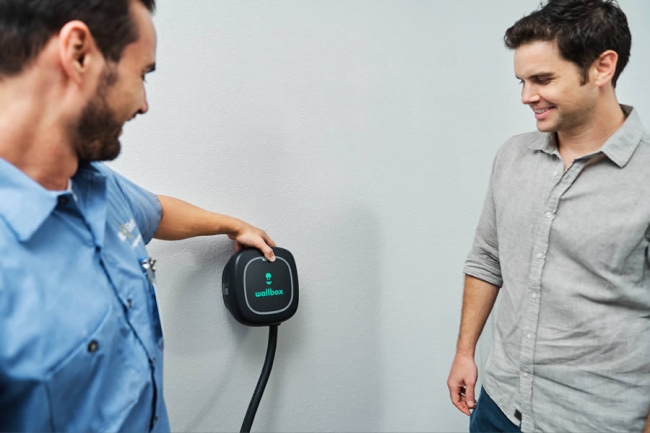
If you already have a charger that's underperforming or failing, we provide EV charger replacement in Arlington as well. Whether you're installing for the first time or upgrading an existing setup, call Mr. Electric to schedule your appointment and get your home charging setup done right.

.webp)