Menu

Call this Tuesday to Get 10% OFF

Everything You Need to Know About EV Chargers

Everything You Need to Know About EV Chargers

As electric vehicles (EVs) become increasingly popular, the need for efficient and reliable electrical repair services has grown.…

4.9 RATING
4.7 RATING
4.6 RATING
Jul
21, 2024

As electric vehicles (EVs) become increasingly popular, the need for efficient and reliable electrical repair services has grown. Understanding the different types of EV chargers, their installation requirements, and the role of electricians in ensuring a safe and effective setup is crucial for any EV owner.

Types of EV Chargers

  • Level 1 Chargers: These chargers use a standard 120-volt AC outlet, similar to what you find in most homes. Level 1 chargers are the slowest, providing around 4-5 miles of range per hour of charging. They are often included with the purchase of an EV and are suitable for overnight charging.
  • Level 2 Chargers: These chargers require a 240-volt AC outlet, like those used for large appliances such as dryers. Level 2 chargers offer significantly faster charging, providing 15-25 miles of range per hour. They are ideal for home, workplace, and public charging stations.
  • Level 3 Chargers (DC Fast Chargers): These chargers use direct current (DC) and can provide rapid charging, adding up to 60-80 miles of range in just 20 minutes. Level 3 chargers are typically found at commercial locations and along major highways. They require specialized equipment and are not usually installed in residential settings.

Benefits of EV Chargers

  • Convenience: Having an EV charger at home or work allows for easy and convenient charging, eliminating the need to find public charging stations.
  • Cost Savings: Charging at home can be more cost-effective than using public charging stations, especially if you take advantage of off-peak electricity rates.
  • Environmental Impact: Using an EV charger to power your electric vehicle helps reduce greenhouse gas emissions and reliance on fossil fuels.

EV Charger Installation

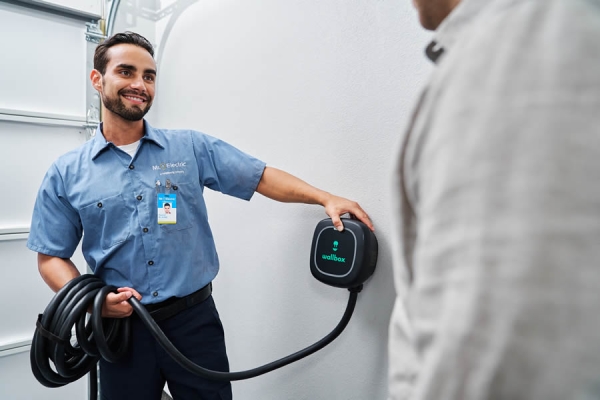
  • Site Assessment: An electrician from Mr. Electric will evaluate your electrical system and determine if any upgrades are needed to support the additional load of an EV charger. This may include upgrading the electrical panel or adding a dedicated circuit.
  • Permitting and Code Compliance: Depending on your location, permits may be required for EV charger installation. Our electrician will ensure that all work complies with local electrical codes and regulations.
  • Installation: The electrician will install the EV charger, connecting it to your electrical system and ensuring it is properly grounded. They will also test the charger to ensure it is functioning correctly.
  • Final Inspection: In some cases, a final inspection by a local authority may be required to ensure the installation meets all safety standards.

The Role of Electricians in EV Charger Installation

Proper installation of EV chargers is essential to ensure safety and optimal performance. This is where electricians and EVSE installers come into play. A qualified electrician at Mr. Electric can assess your electrical system, recommend the best type of charger for your needs, and handle the installation process. By selecting a qualified EVSE installer and ensuring proper installation and maintenance, you can enjoy the convenience, cost savings, and environmental benefits of owning an electric vehicle.
Everything You Need to Know About EV Chargers

Our Service

No matter the size or complexity of your residential or commercial project, you can count on us to provide professional, high-quality results.

Smoke Detector Replacement

Smoke Detector Replacement

For professional and cost-effective smoke detector replacement in Dallas, TX, rely on the qualified and experienced electricians in Dallas, TX.…

Pool Heater Installation

Pool Heater Installation

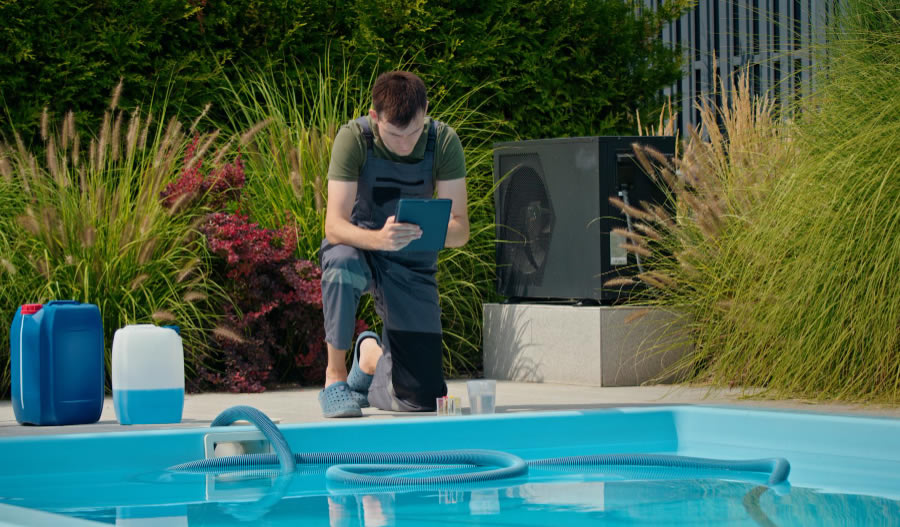
Are you tired of waiting until June or July to enjoy your swimming pool? If you want to get the most…
Electrical Troubleshooting

Electrical Troubleshooting

Dealing with electrical problems can be frustrating and challenging for busy families and businesses. At Mr. Electric of Dallas, we are…

Electrical Inspection

Electrical Inspection

Has it been too long since your last appointment with a qualified electrician? Sometimes, damaged circuits, outdated wiring, and other…

Smart Home System Installation

Smart Home System Installation

Are you looking for creative ways to decrease your monthly energy usage while improving the convenience and comfort of your living…

Recent Blog Posts & Updates.

469-634-0316
May 29, 2026

Why Modern Kitchens and Garages Often Need Additional Circuits

You are excited about adding new high-power appliances to your kitchen after a remodel, or maybe you’ve considered installing an EV charger in your garage. But as you plan for these upgrades, you want to consider the capacity of your electrical system. Particularly, it’s important…

Read More

May 20, 2026

What To Do When a Smoke Detector Keeps Beeping

A smoke detector should only sound an alarm to alert you when tiny particles of smoke are detected. However, a smoke detector beeping nonstop means the device is faulty and needs to be repaired. Some of the common culprits behind a smoke detector that keeps…

Read More
May 11, 2026

Is Whole-Home Surge Protection Worth It?

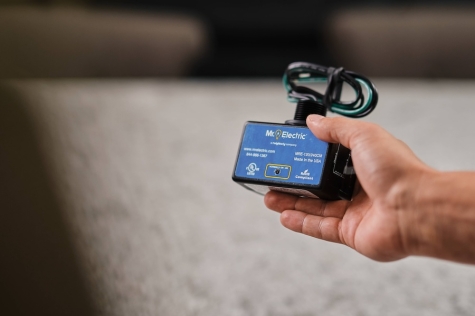
If you’ve ever had an expensive electronic fried during a power outage or had to put out an electrical fire after a random power spike, you know the kind of damage a power surge can cause. That’s where power surge protection comes in. So, if…

Read More
May 08, 2026

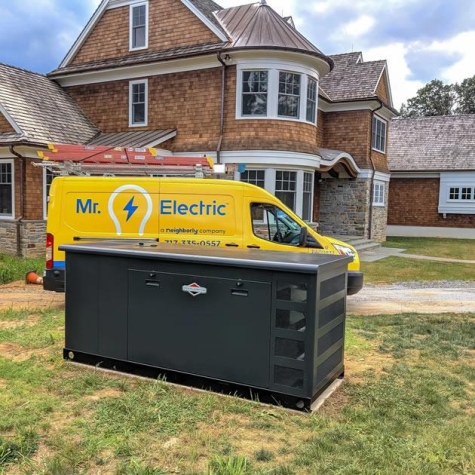
Gas, Propane, or Diesel: Choosing the Right Generator Fuel

The decision to invest in a backup power source is a significant one, and choosing the right fuel type is a key aspect of this investment. The common fuel sources for standby generators include natural gas, diesel, and propane. Each one…

Read More