Menu
Call this Monday to Get 10% OFF

Call this Monday to Get 10% OFF
24-Hour Emergency Electricians in DallasCall this Monday to Get 10% OFF
Call this Monday to Get 10% OFF
24-Hour Emergency Electricians in Dallas
A lot can impact the time it takes to charge an electric vehicle. The vehicle’s charging capability, the size of the battery, the charging station, its output, and many more factors play a role in the duration of charging the car. Look at the different factors that play a role in determining how long it takes to charge your electric vehicle.
Level 1 power outlets charge at the least amount of power, while level 2 power outlets charge twice as fast and can plug into outlets like the ones dryers use. You will be needing help from an electrician to install a level 2 EVSE in your home. Level 3 chargers are more advanced, using a high-voltage current that goes directly to the car’s battery. However, they do have some setbacks like not being compatible with every electric vehicle, very expensive, and not being easy to access anywhere. Many drivers also prefer a combined charging system, which is a power source that combines level 1 and 2 chargers. If you decide on a charging system for your home and need it installed, call Mr. Electric. We have reliable EVSE installers that can set the system up in no time.
Not all EV batteries are produced the same. Truth be told, there is all in all a divergence between the potential mile ranges for various electric vehicles. Some cheaper EVs have sufficient reach for most drivers' everyday necessities, while other models gloat range that surpasses numerous gas-powered vehicles. The bigger the battery, the longer it takes to charge. That’s not quite a disadvantage though, since there are fast charging stations that continue to get developed.
While the charging station conveys the capacity to the EV, it is really a charger joined to the EV battery itself that converts power to the battery. An immense battery fitted with a little battery charger would consume a large chunk of the day to charge no matter what the power source at the charging station.
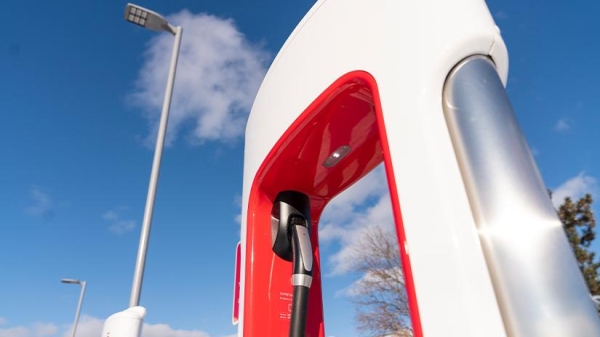
With gas-fueled cars, it’s normal when a driver needs to refill their gas tank before the gas meter hits empty. You wouldn’t want to be stranded on the road so you would refill the whole thing. If you’re thinking that electric vehicles work the same way, we’re here to tell you you’re wrong. The EV battery works best when it’s between 20% and 80% charged. Manufacturers tell you to avoid topping up the battery because the act of charging mixed with heat can affect the thermal management and internal resistance systems in the car.
If you didn’t already know, electric vehicles take a while to charge. This shouldn’t be a problem with all the charging stations and appliances designed for the vehicles. You’ll be benefiting in many areas, including not having to wait in line for gas pumps, charging your vehicle based on your daily needs, and saving money compared to if you were to fill up for gas. Have an EVSE installer brought to your home to set up your charging system along with a qualified electrician from Mr. Electric to help you run through how the system works and to check up on the wiring, and you’ll be good to go.
No matter the size or complexity of your residential or commercial project, you can count on us to provide professional, high-quality results.

For professional and cost-effective smoke detector replacement in Dallas, TX, rely on the qualified and experienced electricians in Dallas, TX.…


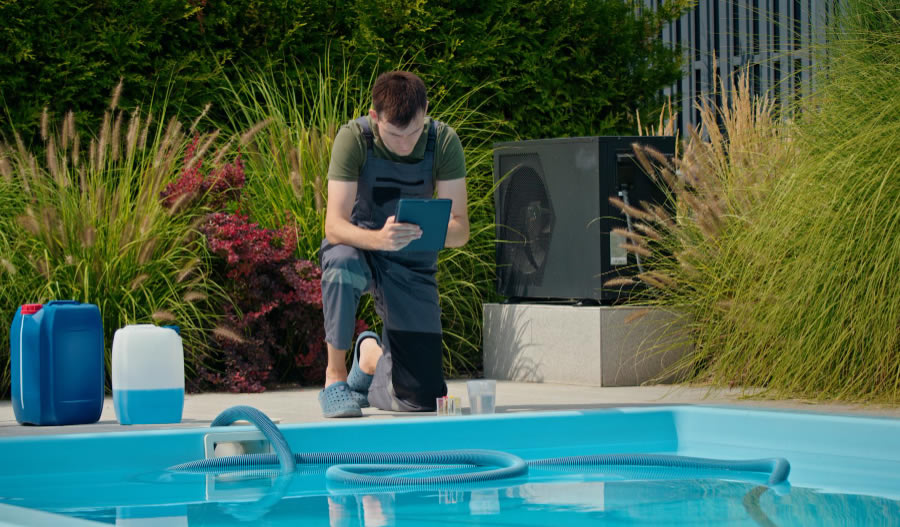
Are you tired of waiting until June or July to enjoy your swimming pool? If you want to get the most…

Dealing with electrical problems can be frustrating and challenging for busy families and businesses. At Mr. Electric of Dallas, we are…


Has it been too long since your last appointment with a qualified electrician? Sometimes, damaged circuits, outdated wiring, and other…


Are you looking for creative ways to decrease your monthly energy usage while improving the convenience and comfort of your living…
.webp)

You are excited about adding new high-power appliances to your kitchen after a remodel, or maybe you’ve considered installing an EV charger in your garage. But as you plan for these upgrades, you want to consider the capacity of your electrical system. Particularly, it’s important…
Read More
A smoke detector should only sound an alarm to alert you when tiny particles of smoke are detected. However, a smoke detector beeping nonstop means the device is faulty and needs to be repaired. Some of the common culprits behind a smoke detector that keeps…
Read More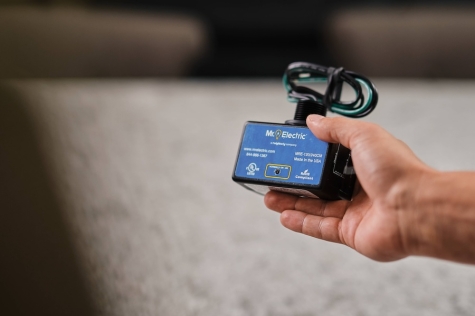
If you’ve ever had an expensive electronic fried during a power outage or had to put out an electrical fire after a random power spike, you know the kind of damage a power surge can cause. That’s where power surge protection comes in. So, if…
Read More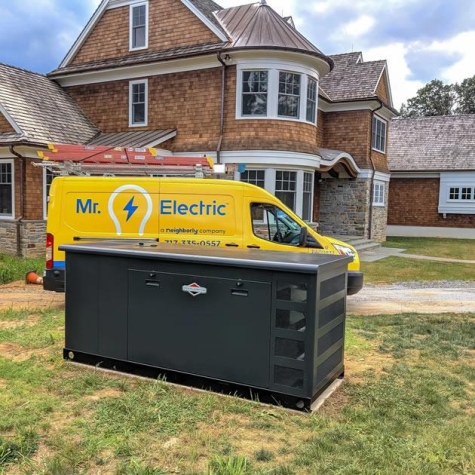
The decision to invest in a backup power source is a significant one, and choosing the right fuel type is a key aspect of this investment. The common fuel sources for standby generators include natural gas, diesel, and propane. Each one…
Read More