Menu
Call this Thursday to Get 10% OFF

Call this Thursday to Get 10% OFF
24-Hour Emergency Electricians in DallasCall this Thursday to Get 10% OFF
Call this Thursday to Get 10% OFF
24-Hour Emergency Electricians in Dallas
If you live in an older home, there’s a possibility that your electrical panel is outdated and struggling to keep up with modern demands. The average lifespan of an electrical panel is between 25 and 40 years. If yours is past its prime, it may be time to consider electrical panel replacement in Cedar Hill, TX. Not only is an outdated panel unreliable, but it can also pose serious safety hazards.
At Mr. Electric, we know that homeowners want to feel safe in their homes. That’s why we’re here to explain why older panels are dangerous and should never be ignored. If you’re looking for a top-rated electrical service to assess the condition of your electrical panel, get in touch with Mr. Electric.
Electrical panels contain breakers, bus bars, and wiring connections that are constantly exposed to heat and electrical current. After decades of use, these components can corrode, loosen, or crack. Loose connections generate heat, which is one of the leading causes of electrical fires. Because this damage happens gradually and out of sight, homeowners often don’t realize there’s a problem until something goes wrong. If you’ve noticed frequent breaker trips, scorch marks, rust, or buzzing noises, it’s time to contact a licensed electrician to check the panel. These signs point to a deteriorating panel and should never be ignored.
Many older homes were built when electrical demand was much lower. Today’s households rely on large appliances, HVAC systems, computers, smart devices, and electric vehicle chargers. Older panels may not be designed to handle this load, leading to frequent breaker trips, overheating, or unsafe workarounds like extension cords and overloaded outlets. These conditions place extra stress on wiring and increase fire risk.
Electrical panels installed in homes before the 1980s might only support 60-100 amps. These panels are not able to keep up with today’s power-hungry appliances and smart home devices. Consequently, they’re prone to overloading, fire risks, and frequent breaker trips. Newer panels are designed with improved circuit breakers that respond more effectively to short circuits, power surges, and arc faults. If you still have a Federal Pacific, Zinsco, Sylvania, or Pushmatic electrical panel, call a local electrician to help you install a new panel.
Some outdated electrical panels are associated with known safety defects, including breakers that fail to trip during overloads. When breakers don’t shut off power as intended, wires can overheat. This creates a particularly dangerous situation because the system may appear normal while becoming increasingly hazardous.
No matter the size or complexity of your residential or commercial project, you can count on us to provide professional, high-quality results.

For professional and cost-effective smoke detector replacement in Dallas, TX, rely on the qualified and experienced electricians in Dallas, TX.…

Are you tired of waiting until June or July to enjoy your swimming pool? If you want to get the most…

Dealing with electrical problems can be frustrating and challenging for busy families and businesses. At Mr. Electric of Dallas, we are…

Has it been too long since your last appointment with a qualified electrician? Sometimes, damaged circuits, outdated wiring, and other…

Are you looking for creative ways to decrease your monthly energy usage while improving the convenience and comfort of your living…
.webp)
Over the years, renovations and DIY electrical work can introduce serious risks. Mismatched breakers, double-tapped circuits, and non-code-compliant wiring are common in older panels. These improper modifications put additional strain on aging components and raise the likelihood of electrical failure. Let a top-rated electrical service inspect your panel and offer professional recommendations.
If you have an unsafe and outdated electrical panel, we highly recommend replacing it to guarantee safety, reliability, and longevity. At Mr. Electric, we are renowned for delivering dependable electrical panel services in both residential and commercial properties. Our team of licensed and insured electricians excels in electrical system installations, upgrades, troubleshooting, repairs, and more. Our experts are not only highly trained but also bring unmatched experience to every job. We take pride in offering the most competitive rates for electrical services in the areas we serve. Furthermore, we back our services with a strong satisfaction guarantee. Call us today to book an appointment.
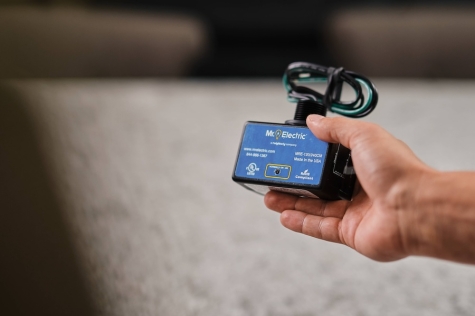
If you’ve ever had an expensive electronic fried during a power outage or had to put out an electrical fire after a random power spike, you know the kind of damage a power surge can cause. That’s where power surge protection comes in. So, if…
Read More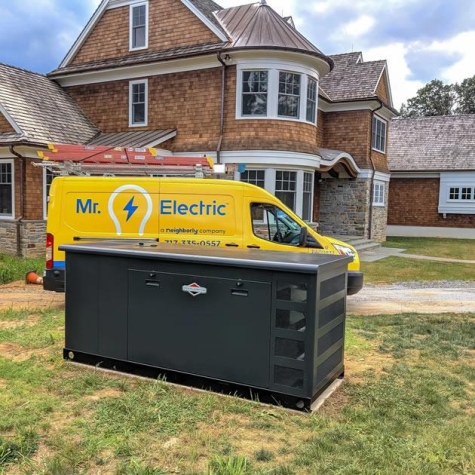
The decision to invest in a backup power source is a significant one, and choosing the right fuel type is a key aspect of this investment. The common fuel sources for standby generators include natural gas, diesel, and propane. Each one…
Read More
At Mr. Electric, we understand that dealing with electrical issues can be frustrating and inconvenient. However, knowing basic electrical troubleshooting steps can save the day and prevent serious electrical hazards. In this guide, we’ll share basic electrical troubleshooting tips for homeowners. But remember, if an…
Read More
Frequently tripping circuit breakers often point to overloading, short circuits, or ground faults. However, breakers that keep tripping could be a sign of a failing electrical panel, outdated wiring, or loose connections. Frequent circuit breaker tripping is not just a safety hazard, but it’s also…
Read More